
ALL ABOUT ALLULOSE
What is it?
Allulose is the rare sugar at the heart of everything we make. It's not a chemical workaround or an artificial substitute - it's a naturally occurring sugar that your body simply doesn't metabolize.
Wait. Hold the phone. ALLULOSE is a sugar? Yes, allulose is considered a sugar. It is a naturally occurring monosaccharide (simple sugar) found in small amounts in certain fruits, such as figs, raisins, and maple syrup. Allulose is chemically similar to fructose, but it has a different structure that makes it less readily metabolized by the body. This results in allulose having a lower calorie and glycemic index than fructose.
“Allulose offers the sweetness of fructose yet is metabolically distinct; it is the C-3 epimer of fructose that, unlike fructose, has no effect on glucose or insulin “ pubmed link
So, how are we “Sugar-Free”?
Allulose is a GRAS Certified food, that as an ingredient can be called "sugar-free" because the U.S. Food and Drug Administration (FDA) has issued guidance allowing allulose to be excluded from total and added sugar declarations on nutrition labels due to its negligible impact on blood glucose and insulin levels, even though it is a sugar in name and chemical structure. While allulose is not metabolized like table sugar, it must still be listed in the ingredient list.
Why I use it - Why it works so well
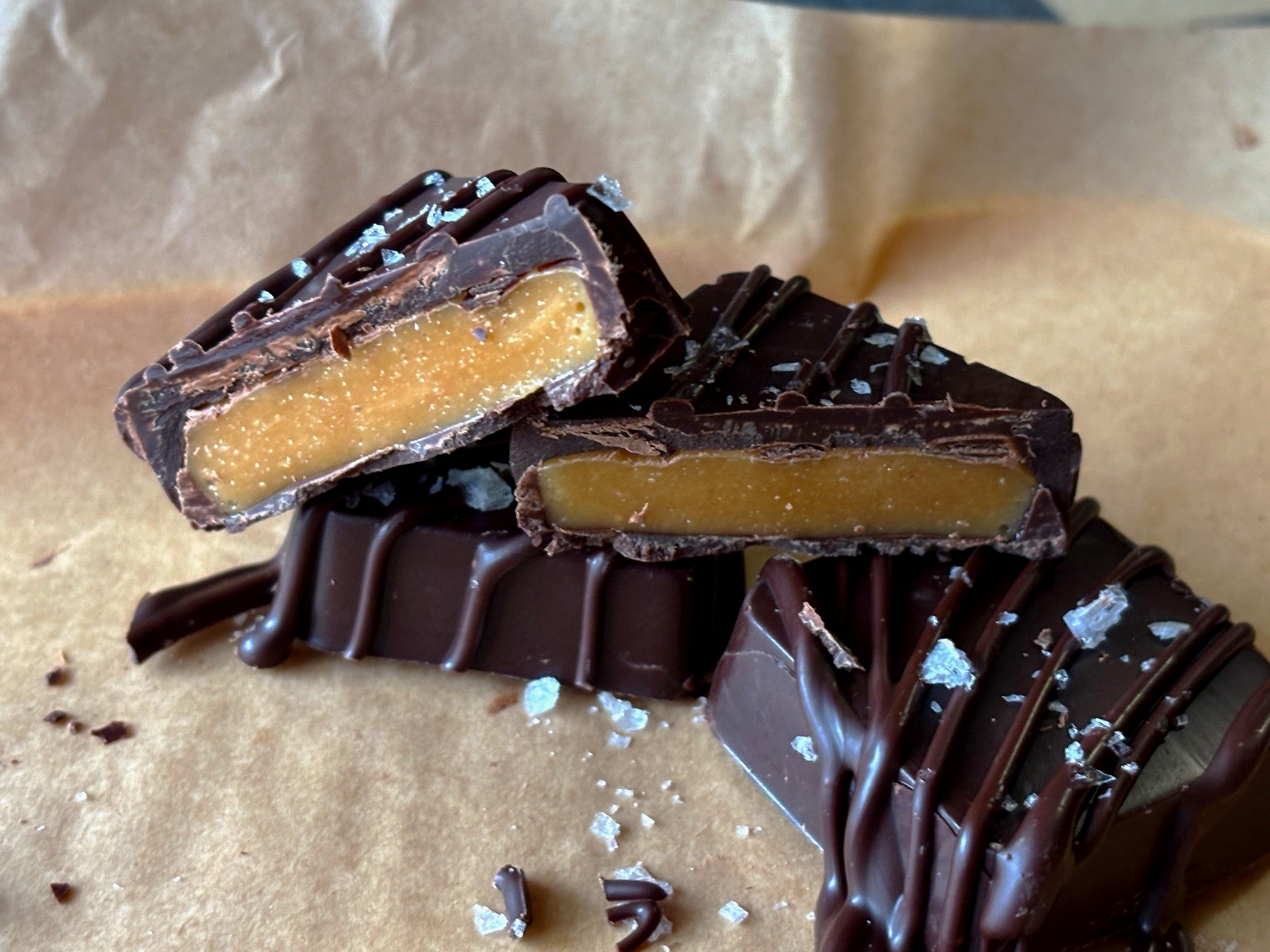
Most sugar-free sweeteners fail the caramel test. They don't brown. They don't melt. They crystallize, or they leave a chemical aftertaste. Allulose is the rare exception - it caramelizes (and bakes) beautifully, develops that deep golden color, and creates the smooth, chewy pull that makes a caramel worth eating. It has a sweetness that is said to be 70 percent as sugar (need verbiage here) with a few minor adjustments to these levels and you have a taste that fells anything like a “substitution” or compromise.
THE SCIENCE
OK- presenting: The studies nobody asked for!
A
B
C
D
A NOTE…
Why so much info about allulose? Because it is the main sweetener in all of our treats, and “HOW does it taste this sweet??” is Is the number one question that people ask us. As much as I try to do an explanation justice, sometimes 2 minutes at a market stand just isn’t enough. It was important that i carve a space on this site to link the information and research, and my hope is that I am able to keep it updated, as we go.
We believe in full transparency. Allulose is FDA-approved and GRAS-certified, and the research to date is genuinely exciting. That said, like most ingredients in the human diet, long-term large-scale studies are still ongoing. We encourage you to explore the sources on this page, talk with your healthcare provider, and trust your own body's response. We will just be over here coming up with new recipes.
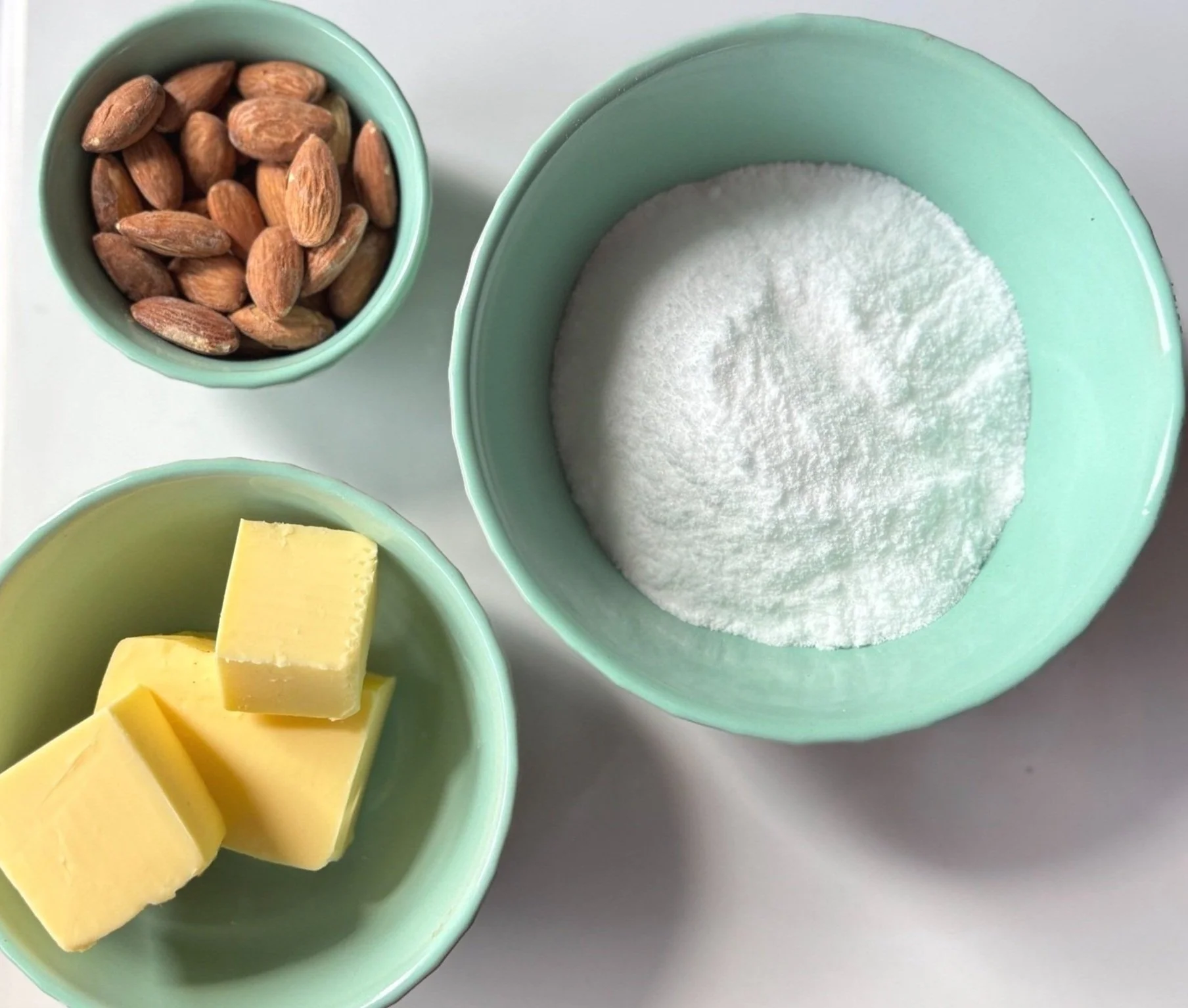
ALLULOSE
ZERO ADDED SUGAR
Why Sugar-Free?
Whether you’re choosing sugar-free as a lifestyle shift, a health-related need, or simply a mindful swap, our mission remains the same: dessert should never taste "sugar-free." Every Munka Sweet bite is crafted to be a rich, decadent experience that honors your choices without sacrificing a thing.
What makes it sweet?
Our caramels and confections are handmade in small batches using purposefully selected, minimal ingredients. Instead of refined sugar, we use a trio of plant-based alternatives that work in harmony to create a level of sweetness we feel most mirrors the real thing.
Allulose: A rare sugar found in fruits like figs and raisins; it tastes like sugar but is minimally metabolized by the body. Allulose is the primary sweetener in all of our fillings (caramels and confections).
Monk Fruit: A natural, high-intensity extract used in small amounts to round out the sweetness profile. Monk fruit can be found as an ingredient in our chocolate confection blends (used in both the signature and vegan treats).
Inulin: A prebiotic fiber derived from chicory root that adds a creamy, rich mouthfeel and body.
Read more on our dedicated Sweeteners page.
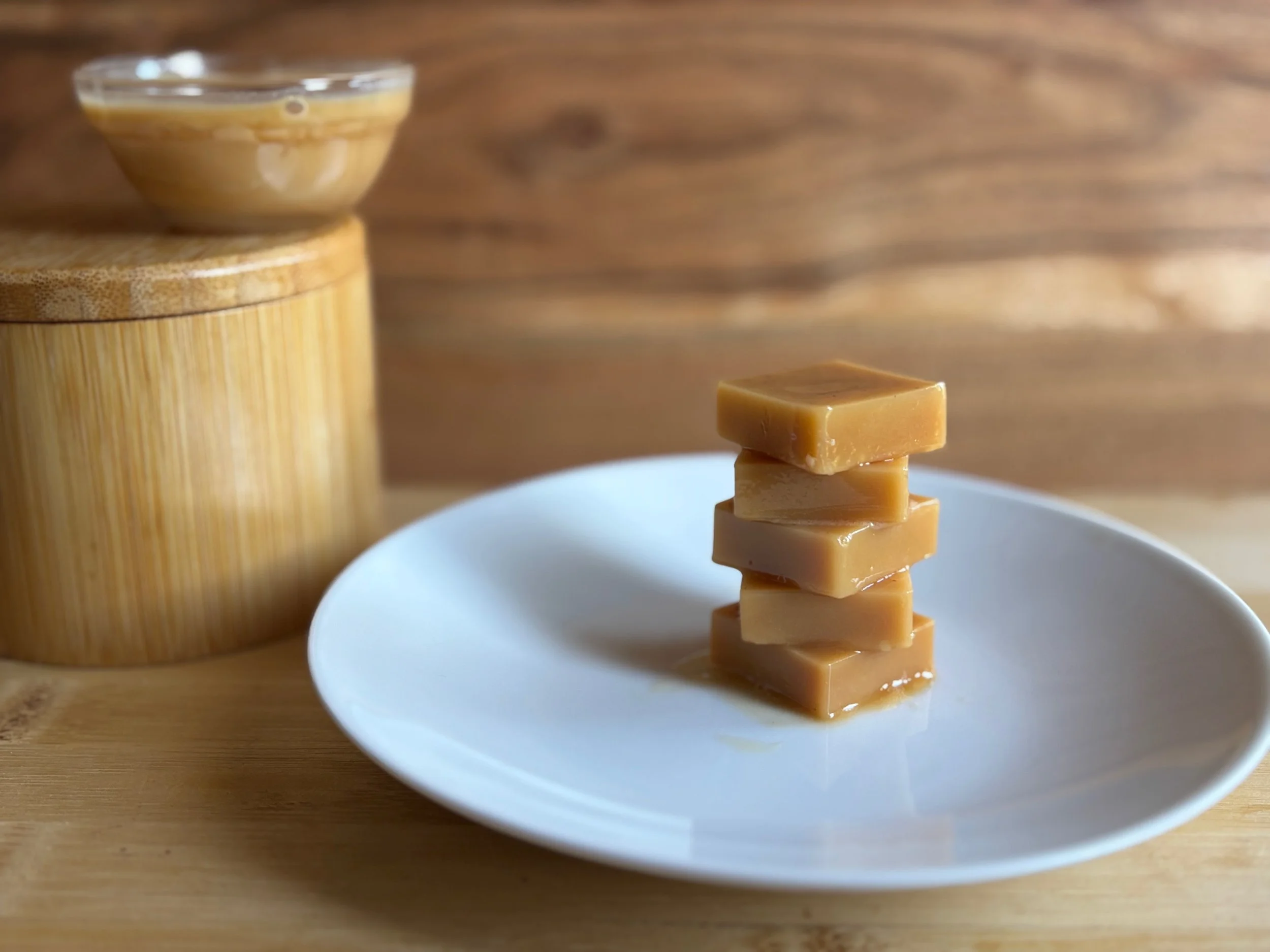
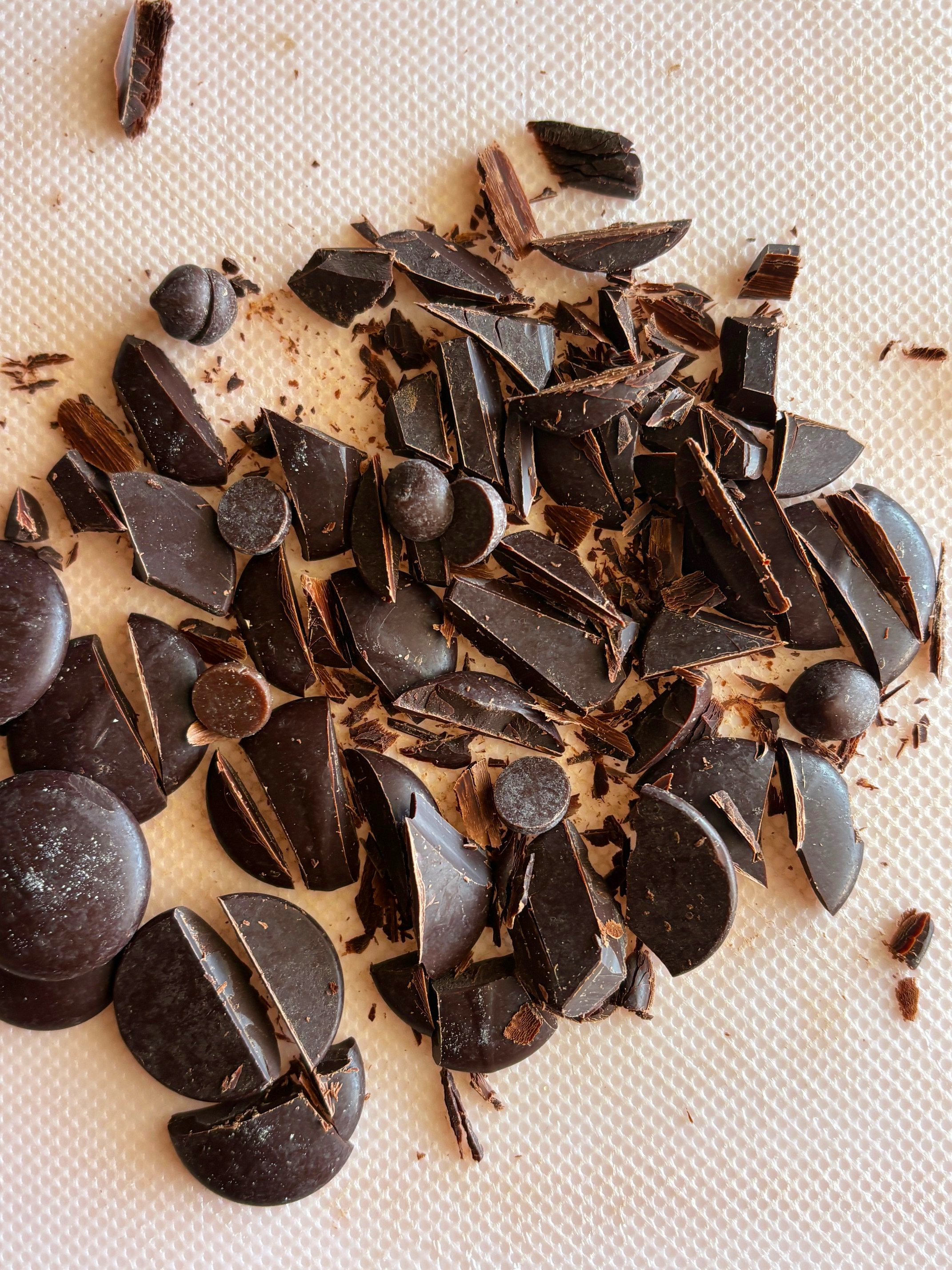
Munka Sweet Signature Treats
What we use in our caramels and confections:
Whole food sourced fats such as cocoa butter, coconut oil, dairy* and nut butters.
• Roasted nuts & seeds: Always dry-roasted without added oils.
• Simple Accents: sea salt and vanilla are used to provide depth and flavor.
What we don’t use:
• Artificial sweeteners, flavors, or preservatives.
• Sugar alcohols (like erythritol or maltitol).
• Refined seed oils (like soybean or canola oil).
• Gluten-containing ingredients.
*Our signature caramels and confections use dairy ingredients including butter and cream. As a vegetarian kitchen, we do not use collagen or gelatin.
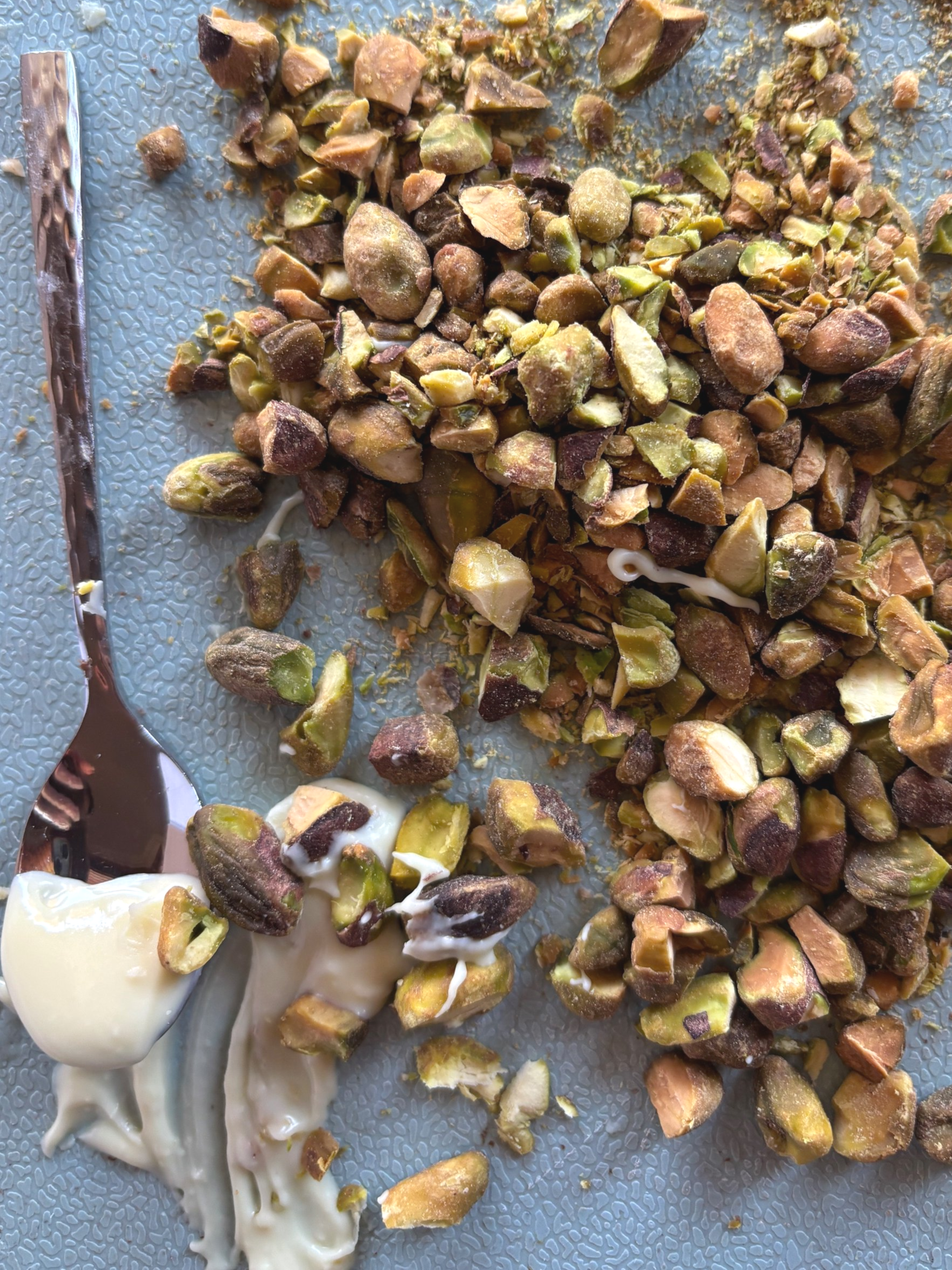
Munka Sweet VEGAN TREATS
What VEGAN means for our treats
Everything we offer is made with zero added sugar, but the next step for us was to give dairy-free treats a seat at the table. We now offer both signature and vegan treats.
Our vegan recipes contain no animal-derived ingredients, such as dairy, eggs, gelatin, collagen, honey, or animal-derived colorants. All of our vegan recipes are formulated with the goal of matching the sweetness and texture of our signature caramels by implementing only a few plant-based swaps such as cocoa butter, nut butters, coconut, and plant proteins.
Read more and shop our VEGAN BITES
INGREDIENTS
FAQ
(FREQUENTLY ASKED QUESTIONS)
-
No, I am not a “chocolate maker” (Yet! A lady has goals), but I am a treat maker / confectioner / chocolatier. We use suppliers to source a blend of chocolate that align with our brand focus (sweetened with only allulose or monk fruit, free of gluten containing ingredients), which we then use as inclusions and finishings for our home-made treats. We bow down to all the true chocolate makers!
-
In the United States, “sugar-free” is a regulated nutrient content claim defined by the FDA. To meet this standard, a product must contain less than 0.5 grams of sugar per serving.
Every Munka Sweet treat is formulated to meet this FDA requirement per serving as packaged. Read more about the guidelines Here
-
-
-
-
-
The word "confection" can mean a lot of things. In the candy-making world, it generally refers to any sweet preparation made by combining ingredients — stemming from the Latin conficere, meaning "to put together." The results can vary wildly in taste and texture: a gummy bear is a confection as is a ganache truffle , or my personal favorite - a chocolate covered caramel
-
No. These treats are not low calorie or low fat. They are rich, salty and so good (pat pat), but they ARE sugar-free, and that was always the plan. No added sugar, no preservatives… Fresh dessert bites from me to you.
So if your diet plan is leaning towards less sugar- I have treats for you. If your diet is dairy free- I have treats for you. If you appreciate a good dessert bite - Hi~ I have treats for everyone